- Sep 26, 2026
-

-
-
Loading...
Loading...

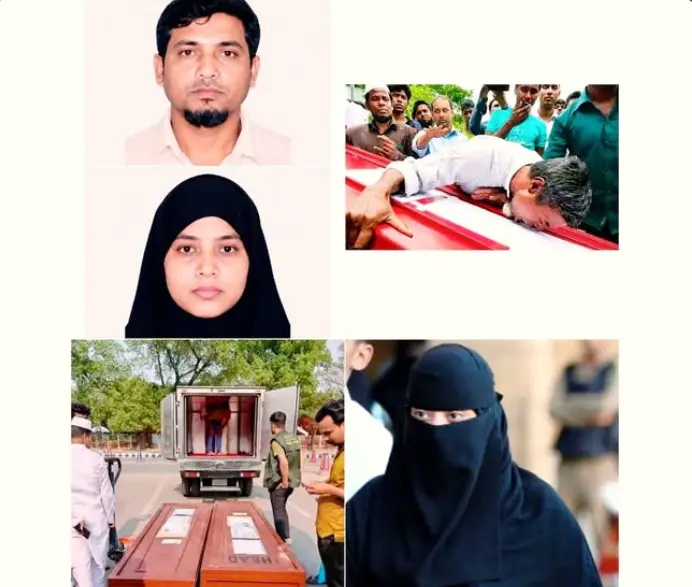
Calls Grow for Diplomatic Accountability, Justice for Abused Women and Transparency in Capital Punishment Cases
The reported execution of Bangladeshi nationals in Saudi Arabia has reignited serious questions about justice, diplomatic protection and the unequal treatment of migrant workers. At the heart of the controversy lies a fundamental question: why does the justice system appear so swift and uncompromising when dealing with certain foreign nationals, while the alleged abuse of Bangladeshi workers abroad continues to raise concerns about accountability and protection?
The cases involving Bangladeshi nationals identified in public discussions as Nazrul and Siti Akter have intensified public concern over the circumstances surrounding capital punishment, the role of diplomatic missions and the rights of Bangladeshis working overseas. The details of these individual cases, including the precise allegations, judicial proceedings and the circumstances of the reported executions, must be established through reliable official records. Nevertheless, the broader concerns about migrant workers' safety and Bangladesh's diplomatic response deserve urgent attention.
Thousands of Migrant Women Return with Accounts of Abuse
For many Bangladeshi families, overseas employment represents a path out of poverty. Thousands of women travel to the Middle East, including Saudi Arabia, to work as domestic workers and support their families through remittances. Yet some return home with accounts of physical violence, sexual abuse, withheld wages, confinement and other forms of exploitation.
Reports over the years from migrant support organizations, rights advocates and international bodies have documented serious concerns about the vulnerability of domestic workers in destination countries. Workers who live inside employers' homes can face particular barriers to seeking help, especially when they have limited freedom of movement, language difficulties or restricted access to independent support.
Some women return to Bangladesh with severe physical and psychological injuries. Others reportedly die abroad, leaving grieving families seeking answers about the circumstances of their deaths.
Every such case demands a credible investigation. Allegations of abuse must not disappear into administrative procedures, and the return of a distressed worker to Bangladesh cannot, by itself, be considered justice.
Repatriation is not accountability. Returning a victim home does not remove the responsibility to investigate alleged perpetrators and pursue justice.
A Difficult Question About the Application of Justice
The central issue is not whether Saudi Arabia has the right to enforce its laws. Every country has a legal system, and serious criminal allegations must be addressed through lawful judicial proceedings.
The question is whether justice, due process and the protection of human dignity are being upheld consistently, regardless of nationality.
When a Bangladeshi citizen faces a capital charge abroad, the consequences are irreversible. The individual must have access to competent legal representation, interpretation where necessary, a fair trial and a meaningful opportunity to appeal. The person's family and the relevant diplomatic mission must also receive timely information in accordance with applicable law and procedures.
If an execution takes place without the family or diplomatic mission receiving adequate notice, or without a meaningful opportunity to pursue available legal remedies, serious questions arise about transparency and the effectiveness of consular protection. Such claims must be examined through case-specific evidence rather than assumption.
At the same time, allegations that Bangladeshi women have experienced sexual violence or other abuse must receive serious and impartial investigation. If evidence establishes that perpetrators have escaped accountability because victims lacked protection or access to justice, that failure demands corrective action.
Justice cannot be measured by how harshly a person is punished. It must also be measured by whether victims are protected, evidence is examined fairly and the law is applied without discrimination.
Where Is Bangladesh's Diplomatic Protection?
The controversy also raises questions about the effectiveness of Bangladesh's diplomatic engagement with Saudi Arabia.
A diplomatic mission's responsibilities extend beyond issuing travel documents or arranging the return of distressed workers. Consular protection can include helping citizens obtain legal representation, monitoring court proceedings, communicating with local authorities, informing families and pursuing available remedies in serious criminal cases.
In capital punishment cases, these responsibilities become especially urgent. Timely intervention can be crucial because the consequences of a missed legal deadline or an overlooked opportunity for appeal may be impossible to reverse.
Bangladesh's Ministry of Foreign Affairs and its missions abroad should therefore provide clear answers about the assistance offered in high-risk cases involving Bangladeshi nationals. Where appropriate, the government should explain whether consular officials were notified, what legal assistance was provided, what communications took place with the relevant authorities and whether all available avenues of appeal were pursued.
Comparisons with cases involving citizens of other countries may offer useful lessons, but claims that a particular government secured a reversal of a sentence solely through diplomatic pressure should be verified against official records. Effective diplomacy requires evidence, preparation, sustained engagement and a clear strategy—not merely public statements after a crisis has occurred.
Bangladesh must ensure that its citizens are not left navigating unfamiliar legal systems without adequate support.
Economic Dependence Must Not Mean Human Vulnerability
Saudi Arabia is an important destination for Bangladeshi migrant workers, and remittances make a substantial contribution to Bangladesh's economy. That economic relationship makes constructive diplomatic engagement essential.
However, economic interests must not overshadow the safety and dignity of citizens.
Bangladeshi workers are not disposable labour. They are people whose earnings sustain families, educate children and support communities back home. Their contributions deserve meaningful protection from both the sending and receiving countries.
Bangladesh should pursue stronger safeguards for domestic workers, including transparent recruitment, enforceable employment contracts, accessible complaint mechanisms, independent welfare support and reliable emergency assistance. Recruitment agencies that mislead workers or send them into exploitative arrangements should face appropriate legal consequences.
The government should also strengthen arrangements for investigating deaths abroad, securing medical and forensic records, informing families and pursuing accountability wherever evidence supports criminal proceedings.
These are not unreasonable demands. They are basic responsibilities toward citizens whose labour contributes to the country's economy.
Five Urgent Demands for the Government
The controversy calls for a clear, practical response from Bangladesh's authorities.
1. Transparent investigations: Publish verified information about relevant capital punishment cases involving Bangladeshi nationals, subject to legitimate legal and privacy restrictions.
2. Stronger consular protection: Ensure that every Bangladeshi citizen facing a serious criminal charge abroad receives timely consular assistance, information about legal rights and access to qualified legal representation.
3. Accountability for abuse: Work with Saudi authorities to investigate credible allegations of violence, sexual abuse, wage theft and suspicious deaths involving Bangladeshi migrant workers.
4. Protection for domestic workers: Establish effective emergency hotlines, accessible shelters, legal assistance and safe repatriation arrangements, while pursuing appropriate investigations into alleged perpetrators.
5. Parliamentary and public oversight: Require the relevant ministries to report on the protection provided to migrant workers, the handling of serious criminal cases and the steps taken when citizens die or suffer abuse overseas.
These measures should be supported by reliable data, regular public reporting and cooperation with credible human rights and migrant welfare organizations.
Dignity, Justice and Accountability Cannot Be Negotiated Away
The debate surrounding Bangladeshi nationals facing capital punishment in Saudi Arabia is about more than individual cases. It concerns the relationship between citizenship, human dignity and the state's responsibility to protect its people beyond its borders.
Bangladesh cannot control every decision made by a foreign court. It can, however, strengthen its diplomatic institutions, provide effective legal and consular assistance, negotiate practical protections for vulnerable workers and demand credible investigations when its citizens are harmed.
Nor should allegations of abuse against Bangladeshi women be treated as routine matters that end once the victims return home. Every credible allegation deserves attention, every suspicious death deserves scrutiny, and every victim deserves to be treated with dignity.
The government must move beyond reactive diplomacy and develop a system that protects migrant workers before a crisis occurs. Saudi authorities, for their part, should ensure that criminal proceedings respect applicable legal safeguards and that allegations of abuse against migrant workers are investigated impartially.
A country's international standing is not determined by its economic power alone. It is also reflected in how effectively it protects its citizens, how seriously it pursues justice for vulnerable people and how consistently it demands accountability.
The demand is simple: justice for Bangladeshi nationals facing criminal proceedings abroad, justice for women subjected to abuse, and accountability wherever credible evidence establishes wrongdoing. No citizen should be left without protection, and no victim should be denied the opportunity to seek justice.





0 Comments:
Leave a Reply